Book a Free Assessment


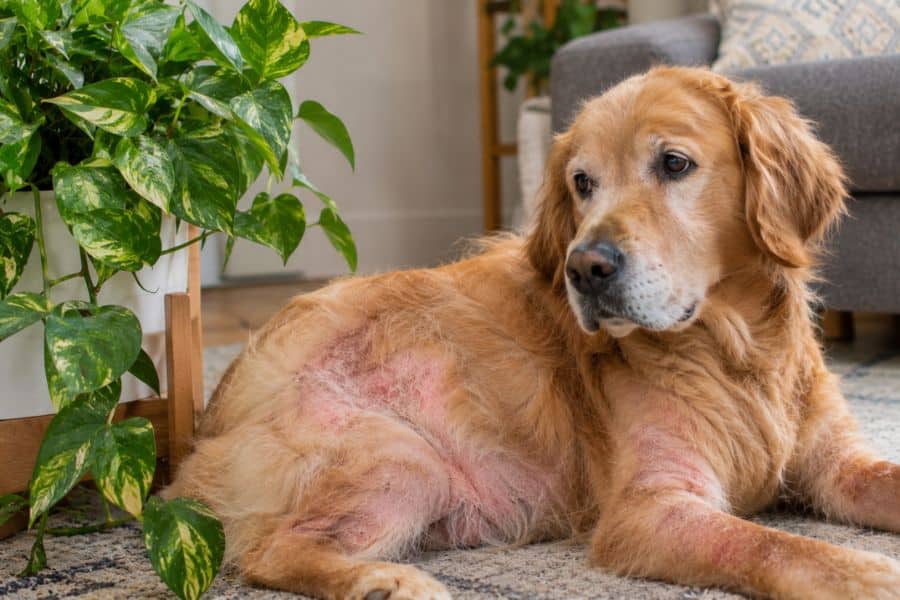
You hear it before you see it. That rhythmic, repetitive licking coming from your dog’s direction at all hours, especially at night. Dog licking paws allergy is one of the most common complaints veterinarians hear from owners, and it is also one of the most underestimated. Many owners chalk it up to boredom, habit, or just something their dog does.
By the time they seek veterinary care, the paws are stained rust-brown from saliva, the skin between the toes is thickened and inflamed, and secondary infections have set in. Paw licking is not a quirk. It is a signal. Understanding what that signal means, and what is causing it, is the first step toward getting your dog real relief.
Why Dogs Lick Their Paws When Allergies Are Present
Allergic itching in dogs follows predictable distribution patterns. Unlike in humans, where allergies often manifest as sneezing and watery eyes, canine allergies primarily express through the skin. The paws are one of the most common sites for allergic itch concentration, along with the belly, groin, armpits, face, and ears.
When a dog’s immune system reacts to an allergen, it produces inflammatory mediators that trigger itch signals in the skin. The paws are in constant contact with the ground, which is precisely where most environmental allergens collect. Grass pollen, dust mites, mold spores, and contact irritants all accumulate on outdoor surfaces. With every step your dog takes, allergens are deposited on the paws and between the toes, where the skin is thin and absorption is high.
This is why paw licking in allergic dogs is so persistent. The exposure is constant, and the licking provides momentary relief from itch, which reinforces the behavior. The saliva, however, creates a warm, moist environment between the toes that promotes bacterial and yeast overgrowth, turning the allergy into a composite problem involving skin inflammation and secondary infection.
Research consistently shows that atopic dermatitis is among the most common causes of chronic paw licking in dogs, alongside food allergy and contact dermatitis. Ruling in or out each of these causes is the foundation of proper treatment.
Reading the Signs: What Allergy-Related Paw Licking Looks Like
Not all paw licking is allergy-driven. A dog who suddenly starts licking one paw may have a thorn, a cut, a broken nail, or a painful joint. The pattern matters enormously in distinguishing allergy from injury:
- All four paws affected: Allergy-driven paw licking almost always involves multiple paws, not just one. If your dog is focused exclusively on one paw, a physical cause is more likely.
- Reddish-brown staining between the toes: Saliva stains light-colored fur a rusty brown over time. This discoloration is a clear indicator of chronic, repeated licking.
- Skin thickening: Repeated licking causes the skin between the toe pads to become thickened, raised, and leathery, a condition called lichenification.
- Seasonal pattern: If the licking worsens in spring when tree pollen peaks, or in summer when grass pollen is highest, an environmental allergen is a strong candidate.
- Concurrent symptoms in other locations: Allergic dogs rarely present with paw licking alone. Look for belly redness, ear scratching, face rubbing, or recurrent ear infections alongside the paw licking.
- Year-round persistence: If the licking does not correlate with seasons at all, a food allergy or dust mite sensitivity (both year-round) is more likely than seasonal pollen.
Many dogs with dog licking paws allergy are so good at grooming that owners never notice the early signs. When light-colored fur suddenly starts staining, that visual cue is often what finally prompts a veterinary visit. But the allergy has usually been present for months.
If you recognize these patterns in your dog, contact your veterinarian rather than waiting for the licking to stop on its own.
Diagnosing What Is Behind the Licking
Getting the right diagnosis is more important than starting treatment quickly, because the treatment for environmental atopic dermatitis is different from that for food allergy, and both are different from contact dermatitis.
- Clinical history: Your vet will ask detailed questions about when the licking started, whether it is seasonal, what your dog eats, where they walk, and whether other pets in the home are affected.
- Physical paw examination: Close inspection of the skin between the toes, the nail beds, and the paw pads looks for signs of infection, foreign material, or structural problems.
- Skin cytology: A tape prep or swab from between the toes identifies whether bacteria or yeast are present as secondary infections. Treating these alongside the underlying allergy is critical, since secondary infections independently maintain itch and make it harder to assess whether the allergy itself is improving.
- Flea assessment: Flea allergy dermatitis causes generalized itch that can concentrate on the paws. All pets in the home are assessed for flea exposure, regardless of whether fleas are seen.
- Diet history review: If a food allergy is suspected, an elimination diet trial using a novel or hydrolyzed protein source is discussed. This typically runs for 8 to 12 weeks with strict compliance.
- Allergy testing: For confirmed environmental atopic dermatitis, intradermal or serum allergy testing can identify specific triggers and guide immunotherapy.
What Treatment Looks Like When Paw Licking Is Allergy-Driven
Once the cause is confirmed, treatment is highly targeted. For environmental atopic dermatitis causing paw licking:
Prescription anti-itch medications, including monoclonal antibody injections or oral JAK inhibitors, significantly reduce the itch signal that drives the licking. Without the itch signal, the behavioral cycle of licking breaks naturally. Medicated foot soaks using veterinary-formulated antiseptic or antifungal solutions address secondary infections in the interdigital spaces and remove surface allergens after outdoor exposure.
Regular paw wiping after walks, particularly in grassy or high-pollen areas, reduces allergen accumulation on the paws. For dogs with confirmed allergen sensitivities, allergen-specific immunotherapy builds tolerance over time and may reduce dependence on medication.
For food allergy-driven paw licking, dietary management, once the offending ingredient is identified through an elimination trial, typically produces dramatic improvement within 8 to 12 weeks.
Chronic paw licking is treatable. With the right diagnosis and a consistent plan, most dogs stop licking, skin heals, and staining fades.
Frequently Asked Questions(FAQs):
Q: Can I use human antifungal cream on my dog’s itchy paws?
Ans: Do not apply human medications to your dog without veterinary guidance. Some human antifungal products contain ingredients that are toxic to dogs, particularly if licked. Your veterinarian can recommend safe, veterinary-formulated topical treatments appropriate for interdigital skin.
Q: Will booties stop my dog’s paw licking?
Ans: Booties reduce direct allergen contact with paw skin during walks and can provide temporary relief. However, they do not address the underlying allergy, so itching will persist in other areas and the paws will still react once the booties are removed. Booties are a useful adjunct, not a treatment.
Q: My dog only licks their paws at night. Is that still an allergy sign?
Ans: Yes. Nighttime paw licking is common in allergic dogs because activity and distraction during the day mask the itch. When the dog settles and there is nothing else competing for attention, the itch becomes the focus. Nocturnal licking is a classic presentation of chronic allergic itch.
Q: How long does it take for paw staining to fade after allergy treatment starts?
Ans: The reddish-brown staining fades as new coat grows in after licking stops. Depending on coat length and color, this process typically takes 4 to 8 weeks. The staining itself is cosmetic and not harmful, but its absence is a useful indicator that treatment is working.
Q: Is it possible for both allergies and a yeast infection to be present in the paws at the same time?
Ans: Yes, and this is very common. Allergic skin inflammation disrupts the normal skin barrier and microbiome, creating conditions where yeast and bacteria overgrow. Both problems are typically present simultaneously and both must be treated, or the paw licking and inflammation will persist even when the allergy itself is better controlled.
Get Informed
Schedule a Consultation
Make no mistake, all surgical procedures are serious. Get the information you need and know your options. Then make an informed decision. Like any service, not all veterinary services are equal. Call to schedule or ask questions.
Call our clinic at 480.998.5999
or Email us.
Book a Free Assessment