
Book a Free Assessment


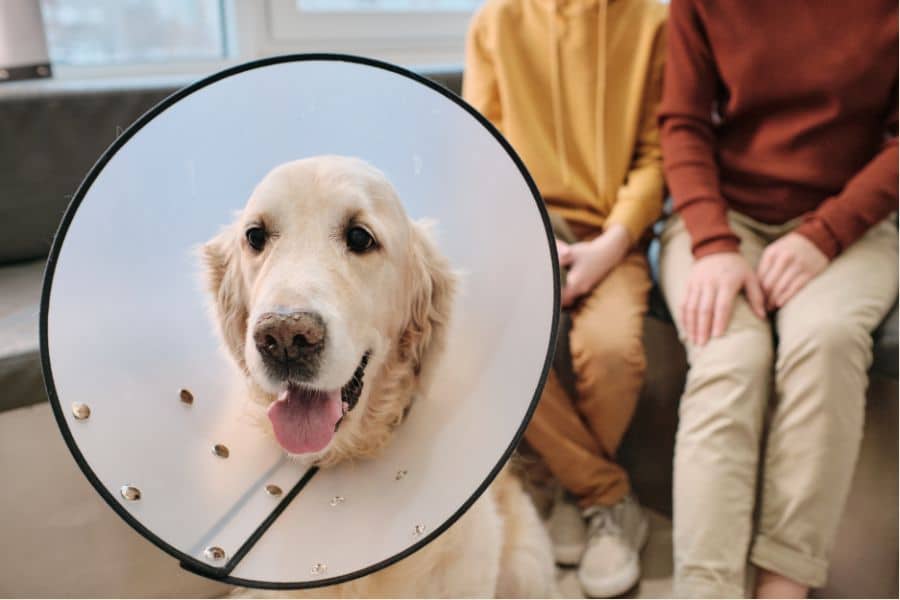
When your pet has an upcoming operation, preparation can make the day calmer and easier to manage. Confirm fasting instructions, medications, arrival time, transportation, and paperwork. Prepare a quiet recovery space, follow feeding directions exactly, pack approved comfort items, and know which warning signs require a call.
Ask about anesthesia, pain control, monitoring, discharge, activity, and follow-up. This guide covers the night before, surgery morning, admission, and home recovery.
A Few Days Before Surgery
1. Confirm the Surgical Plan
Review the procedure, arrival time, expected stay, and recovery plan. Ask what to bring and whether testing is needed. Keep the clinic’s phone number handy.
Tell the team about anesthesia problems, allergies, illnesses, or medication reactions. Ask how updates will be provided.
For orthopedic procedures, understanding the planned treatment can make recovery expectations clearer. Review available surgical care so you understand what will happen and why.
2. Review Medications
Give medications only as directed. Some may need adjustment before anesthesia. Do not add supplements or human medications unless approved.
Write down every medication and dose.
The Night Before Surgery
Follow Feeding and Fasting Instructions
Fasting instructions vary. Follow the directions you receive. Ask when food, treats, and water should stop.
Prevent accidental eating. Secure food and treats where your pet cannot reach them. Tell everyone at home about fasting.
If your pet eats after fasting begins, contact the surgical team. Be honest about it. The team may need to adjust the schedule.
Prepare for a Calm Morning
Keep the evening routine predictable and let your pet rest.
Gather the leash or carrier, records, medications, paperwork, and an approved blanket or toy. Charge your phone.
Surgery Morning
Check Your Pet Before Leaving
Look for changes in behavior or physical condition. Vomiting, diarrhea, coughing, unusual weakness, breathing difficulty, or another new symptom should be reported before you leave.
Do not give breakfast, treats, or medications unless your instructions allow them. If your pet ate accidentally, call the clinic for guidance.
Transport your pet securely. Dogs need a leash or harness; cats and small pets need a stable carrier.
Bring the Right Information
Have identification, contacts, medication lists, and forms ready. Know which phone number the clinic should use.
If someone else handles pickup, make sure they understand the instructions.
Questions to Ask About Anesthesia and Surgery
Ask who will monitor your pet, how vital signs are tracked, how pain will be managed, and what happens if an unexpected finding changes the surgical plan.
Ask when to expect an update and whether your pet will stay overnight. Discuss estimated costs and what they include.
Preparing Your Home for Recovery
Set up a recovery area before leaving for surgery. Choose a quiet space away from stairs, slippery floors, and other pets.
For orthopedic recovery, plan controlled bathroom breaks and follow activity restrictions. You may need baby gates, traction rugs, or a confinement area. Keep food and water nearby.
Prepare medications and supplies before pickup when possible. Read discharge instructions carefully.
What to Expect After Surgery
Your pet may be sleepy, unsteady, less interested in food, or quieter after anesthesia. Follow discharge instructions for feeding, wound care, medication, and activity.
Check the incision as instructed. Prevent licking or chewing if recommended. Give medications on schedule and never double a dose after a missed dose without asking the clinic.
Call for significant bleeding, repeated vomiting, breathing problems, severe pain, worsening weakness, incision opening, or other listed concerns.
The First Night at Home
Keep your pet warm, comfortable, and supervised. Limit jumping, running, stairs, and unsupervised movement when restrictions apply. Offer food and water according to instructions.
Do not judge recovery by energy level alone. Some pets feel active before healing is complete. Follow restrictions even when your pet wants to play.
Keep the clinic’s number nearby. Write down questions or changes for follow-up.
Conclusion
Surgery day is easier when you prepare with clear instructions rather than guesswork. Confirm fasting and medication rules, organize transportation and paperwork, create a safe recovery space, and know which warning signs warrant professional guidance.
Every pet and procedure differs, so your surgical team’s instructions should take priority over general online advice. If your pet needs an upcoming procedure, book an appointment to discuss treatment, preparation steps, and recovery with the care team for your pet’s needs today.
Frequently Asked Questions(FAQs):
1. Should my pet eat before surgery?
A: Most pets scheduled for anesthesia need fasting, but exact timing varies. Follow your clinic’s instructions for food, treats, and water. If your pet eats accidentally, contact the surgical team before arrival for guidance.
2. Can my pet take regular medications?
A: Some medications can continue while others require adjustment. Never change a medication based on assumptions. Provide a complete medication list and follow your care team’s instructions.
3. What should I bring to the appointment?
A: Bring requested paperwork, medication information, and records. A familiar blanket or toy may provide comfort when permitted. Follow the clinic’s guidance on personal items.
4. How should I transport my pet?
A: Use a secure leash and harness for dogs and a stable carrier for cats or small pets. Keep your vehicle calm. Avoid letting a sedated or unsteady pet walk without support after pickup.
5. How long will my pet be sleepy?
A: Sleepiness after anesthesia can occur and may last into the first day. Recovery differs between pets and procedures. Follow discharge guidance and call if your pet is difficult to wake or distressed.
6. When should I call the veterinarian?
A: Call for breathing difficulty, significant bleeding, severe pain, repeated vomiting, worsening weakness, or incision problems. Your discharge instructions may identify additional warning signs requiring attention. When uncertain, contact the surgical team rather than waiting..
Get Informed
Schedule a Consultation
Make no mistake, all surgical procedures are serious. Get the information you need and know your options. Then make an informed decision. Like any service, not all veterinary services are equal. Call to schedule or ask questions.
Call our clinic at 480.998.5999
or Email us.
Book a Free Assessment