Book a Free Assessment


What Causes Sudden Rear Leg Weakness in Dogs?
A dog that suddenly stumbles, struggles to stand, or drags its paws needs care. Rear leg weakness may signal spinal disease, nerve injury, joint damage, or illness. This guide explains causes, treatment, and recovery. Why Can a Dog Suddenly Lose Strength in Its Back Legs? Signs include wobbling, paw knuckling, dragging toes, difficulty rising, or inability to walk. One or
Fracture Repair in Dogs: Traditional vs. Minimally Invasive Techniques
A broken bone can disrupt a dog’s routine. Fracture repair in dogs restores alignment and stability to protect movement and reduce pain. Treatment may involve surgery or external support. The choice depends on fracture type, age, and health. This guide compares approaches, explains recovery, and outlines questions owners can ask when seeking orthopedic care in Arizona. Understanding Dog Fractures A
How Long Does It Take a Dog to Recover From Arthroscopic Surgery?
Recovering from arthroscopic surgery can take several weeks, depending on your dog’s condition, the joint being treated, and the extent of the procedure. Many dogs begin feeling more comfortable within a few days, but returning to normal activity requires patience. Most recovery plans involve restricted movement, incision care, prescribed medication, follow-up appointments, and a gradual return to exercise. Some dogs
A Puppy’s First Halloween: Safe Socialization Without Overwhelming Them
Your puppy’s first Halloween can be exciting, but unfamiliar costumes, ringing doorbells, and noisy decorations may feel frightening. Puppies are still learning how to respond to new experiences, and too much excitement can leave them anxious or overwhelmed. Halloween socialization should focus on helping your puppy feel comfortable rather than encouraging them to participate in every activity. Short introductions, positive
How to Prepare Your Pet for Surgery Day
When your pet has an upcoming operation, preparation can make the day calmer and easier to manage. Confirm fasting instructions, medications, arrival time, transportation, and paperwork. Prepare a quiet recovery space, follow feeding directions exactly, pack approved comfort items, and know which warning signs require a call. Ask about anesthesia, pain control, monitoring, discharge, activity, and follow-up. This guide covers
Is Your Dog’s Paw Licking a Sign of Skin Allergy?
You hear it before you see it. That rhythmic, repetitive licking coming from your dog’s direction at all hours, especially at night. Dog licking paws allergy is one of the most common complaints veterinarians hear from owners, and it is also one of the most underestimated. Many owners chalk it up to boredom, habit, or just something their dog does.
Urgent Care vs. Emergency Vet Visit: How to Know the Difference
A pet can go from playful to seriously ill in minutes. Urgent cases need prompt attention but are stable enough for a same-day assessment. Emergencies involve threats to breathing, circulation, consciousness, mobility, or life. This guide explains warning signs, immediate steps, and specialized care. Urgent Care: When Your Pet Needs Prompt Attention Urgent care fits problems that should not wait
Why Do Large-Breed Dogs Get More Joint Injuries?
Large dogs are admired for their strength, but their size can place unusual demands on bones, muscles, ligaments, and joints. Joint injuries in large-breed dogs are common because heavier bodies create greater forces during running, jumping, turning, and everyday movement. Genetics, rapid growth, excess weight, poor footing, intense exercise, and age can raise the risk. Understanding why large dogs are
Can a Torn CCL Heal Without Surgery?
A torn cranial cruciate ligament (CCL) can change a dog’s life within hours. Some dogs improve without an operation, but a completely torn CCL rarely returns to normal. Healing depends on injury severity, body size, activity, joint stability, age, and overall health. Rest, controlled exercise, weight management, rehabilitation, pain relief, and veterinary care can support comfort. Surgery may provide stronger
Is Your Dog Limping? 7 Possible Causes and When to Worry
A limping dog is telling you something hurts. Causes range from a minor paw injury to a serious joint, bone, or nerve problem. A torn nail, thorn, strain, arthritis, ligament injury, infection, or fracture may be responsible. This guide covers seven causes, warning signs, safe home steps, and when professional veterinary care is needed. 7 Possible Causes of Dog Limping
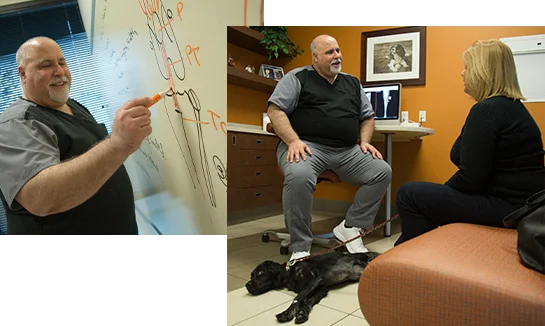
Get Informed
Schedule a Consultation
Make no mistake, all surgical procedures are serious. Get the information you need and know your options. Then make an informed decision. Like any service, not all veterinary services are equal. Call to schedule or ask questions.
Call our clinic at 480.998.5999
or Email us.
Book a Free Assessment