Book a Free Assessment


Recovering from arthroscopic surgery can take several weeks, depending on your dog’s condition, the joint being treated, and the extent of the procedure. Many dogs begin feeling more comfortable within a few days, but returning to normal activity requires patience.
Most recovery plans involve restricted movement, incision care, prescribed medication, follow-up appointments, and a gradual return to exercise. Some dogs need additional rehabilitation before regaining their usual mobility.
Understanding the recovery timeline helps you recognize normal healing signs and identify problems that need attention. For pet owners in Scottsdale, knowing what to expect can make the recovery process more manageable.
What Is the Typical Recovery Time After Arthroscopic Surgery?
Most dogs need approximately four to eight weeks for initial recovery after arthroscopic surgery. Full recovery may take longer, particularly when the procedure addresses significant cartilage damage, joint inflammation, or an underlying orthopedic condition.
The exact timeline depends on several factors:
- Joint involved: Recovery can vary between the shoulder, elbow, knee, and other joints.
- Condition treated: Minor joint problems may heal faster than complex injuries.
- Surgical findings: Unexpected cartilage or tissue damage can affect the recovery plan.
- Age and health: Your dog’s overall condition can influence healing and activity tolerance.
- Postoperative care: Following movement restrictions and medication instructions supports recovery.
Arthroscopy uses small incisions and a camera to examine and treat problems inside a joint. Smaller incisions may mean less tissue disruption than traditional open surgery. This does not mean your dog can resume running, jumping, or playing immediately.
Dog Arthroscopic Surgery Recovery Timeline
First 24–72 Hours: Rest and Initial Healing
Your dog may feel sleepy, slightly disoriented, or less interested in food after anesthesia. Mild swelling, tenderness, and limited movement around the treated joint can occur.
Provide a quiet resting area with comfortable bedding. Take your dog outside for short, controlled bathroom breaks using a leash. Prevent stairs, furniture jumping, running, and rough play.
Follow medication instructions carefully. Contact the surgical team if your dog experiences persistent vomiting, worsening pain, unusual discharge, or sudden changes in behavior.
Week 1: Protecting the Surgical Site
During the first week, the small incisions begin healing. Your dog may show improved comfort, but the joint remains vulnerable.
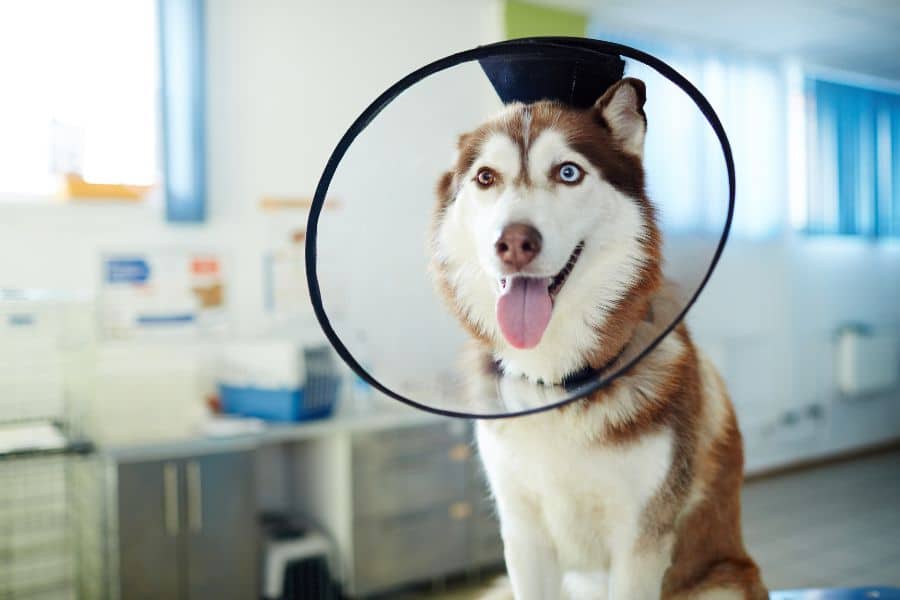
Check the incision daily for increasing redness, swelling, bleeding, discharge, or an unpleasant smell. Keep the area clean and dry. Prevent licking or chewing with an appropriate protective collar.
Short leash walks should remain limited to bathroom needs unless your surgeon recommends otherwise. Avoid slippery floors and unsupervised movement.
Weeks 2–4: Gradual Improvement
Many dogs become more comfortable during this period. Their appetite, mood, and willingness to move may return to normal. Visible improvement does not mean the joint has completely healed.
Your surgeon may recommend slightly longer controlled walks or specific rehabilitation exercises. Follow the approved activity plan rather than allowing your dog to decide how much exercise feels comfortable.
Weeks 4–8: Building Strength and Mobility
The recovery plan may gradually introduce longer walks, controlled movement, and physical rehabilitation. Muscle strength and joint flexibility can improve with appropriate exercises.
Dogs recovering from more complicated procedures may need additional restrictions. Clearance for unrestricted activity should come from the treating surgeon.
Factors That Can Affect Your Dog’s Recovery
Not every dog follows the same recovery schedule. Several factors can influence how quickly your pet heals.
Type of Joint Problem
Arthroscopic surgery can address conditions such as cartilage injuries, joint inflammation, loose fragments, and certain developmental joint disorders. The complexity of the problem influences healing time. A straightforward procedure may require less recovery time than surgery involving extensive joint damage.
Age and Overall Health
Younger, otherwise healthy dogs may regain strength more easily. Older dogs or pets with additional health concerns may need closer monitoring and a slower rehabilitation schedule.
Activity Level Before Surgery
Highly active dogs may find restricted movement frustrating. Dogs accustomed to running, jumping, and playing need consistent supervision during recovery. Excessive activity can irritate the healing joint and interfere with progress.
Following Postoperative Instructions
Medication schedules, incision monitoring, exercise restrictions, and follow-up visits all contribute to recovery. Missing recommended appointments or allowing unrestricted movement can create setbacks.
How to Care for Your Dog After Arthroscopic Surgery
Your dog’s home environment plays an important role in recovery. A few practical adjustments can make healing safer and more comfortable.
- Create a comfortable resting space: Choose a quiet area with supportive bedding and limited distractions.
- Restrict physical activity: Prevent jumping, running, climbing stairs, and rough play until approved.
- Use a leash outdoors: Keep bathroom breaks short and controlled.
- Monitor the incision: Look for redness, swelling, discharge, or changes around the surgical site.
- Give prescribed medication: Follow the recommended dosage and timing. Never introduce human pain medication without professional approval.
- Attend follow-up appointments: These visits help assess healing, joint movement, and readiness for increased activity.
If your home has slippery flooring, consider placing non-slip rugs along frequently used pathways. A pet ramp may also help prevent unnecessary jumping, provided your surgeon approves its use.
For additional information about treatment options, explore arthroscopic surgery for dogs to understand how this minimally invasive approach can address selected joint conditions.
Signs Your Dog Is Healing Properly
Recognizing positive recovery signs can help you feel more confident about your dog’s progress. Healthy healing may include:
- Gradually improved comfort when standing or walking.
- Normal appetite and interest in daily activities.
- Reduced swelling around the surgical site.
- Improving willingness to place weight on the treated leg.
- A clean incision without unusual discharge.
- Better movement within the limits recommended by the surgeon.
Progress does not always happen at the same rate every day. Mild stiffness after resting may occur during recovery. Persistent limping, increasing discomfort, or a sudden decline in mobility deserves professional attention.
When Should You Contact the Surgeon?
Some postoperative changes require prompt assessment. Contact your dog’s surgical team if you notice:
- Increasing redness, heat, or swelling around the incision.
- Bleeding, pus, or an unpleasant smell from the wound.
- Pain that does not improve with prescribed medication.
- Sudden inability or unwillingness to use the affected leg.
- Persistent vomiting, unusual lethargy, or refusal to eat.
- An opening or separation along the incision.
Do not wait for a scheduled follow-up if your dog’s condition worsens. Early assessment can help identify complications and prevent additional discomfort.
Conclusion
Recovery is gradual, and four to eight weeks is a common initial timeframe. Follow activity limits, check the incision, and attend follow-ups. If you’re in Scottsdale, reach out to Arizona Canine Orthopedics & Sports Medicine, where compassionate care and community support your pet’s well-being and comfort.
Frequently Asked Questions(FAQs):
1. Can a dog walk after arthroscopic surgery?
A: Yes, most dogs can take short, controlled leash walks for bathroom breaks after surgery. The surgeon determines when walking can increase. Running, jumping, and unrestricted movement should remain restricted during early healing.
2. Is arthroscopic surgery painful for dogs?
A: Dogs may experience mild to moderate discomfort after the procedure. Prescribed pain relief helps manage soreness. Persistent pain, worsening limping, or unusual behavior should be reported to the surgical team promptly.
3. When can my dog run after arthroscopic surgery?
A: Many dogs need at least six to eight weeks before considering more demanding activity. The actual timeline depends on joint healing, surgical findings, and rehabilitation progress. Obtain approval before allowing running or vigorous play.
4. Does arthroscopic surgery heal faster than open surgery?
A: Arthroscopy generally involves smaller incisions and less disruption to surrounding tissues. Some dogs experience an easier initial recovery. Healing time still depends on the joint condition, procedure performed, and individual response.
5. Will my dog need physical therapy after surgery?
A: Some dogs benefit from guided rehabilitation to rebuild muscle strength, improve flexibility, and restore joint movement. The need for physical therapy depends on the procedure, recovery progress, and recommendations from the treating surgeon.
6. What happens if my dog becomes active too soon?
A: Excessive movement can increase swelling, discomfort, and irritation around the healing joint. It may delay recovery or contribute to complications. Keep activity controlled and contact the surgical team if overexertion causes concerning symptoms.
Get Informed
Schedule a Consultation
Make no mistake, all surgical procedures are serious. Get the information you need and know your options. Then make an informed decision. Like any service, not all veterinary services are equal. Call to schedule or ask questions.
Call our clinic at 480.998.5999
or Email us.
Book a Free Assessment