
Book a Free Assessment


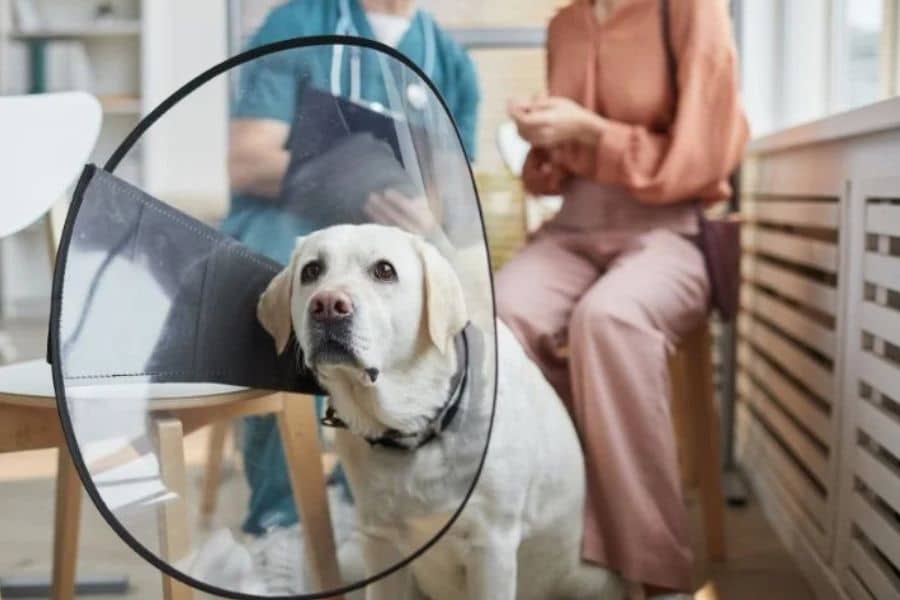
A broken bone can disrupt a dog’s routine. Fracture repair in dogs restores alignment and stability to protect movement and reduce pain. Treatment may involve surgery or external support. The choice depends on fracture type, age, and health. This guide compares approaches, explains recovery, and outlines questions owners can ask when seeking orthopedic care in Arizona.
Understanding Dog Fractures
A fracture is a crack or break in a bone. Falls, collisions, and awkward landings can cause simple breaks or several fragments. A closed fracture leaves the skin intact; an open fracture exposes deeper tissue or bone.
Signs include limping, swelling, pain, an unusual limb angle, or reluctance to stand. Do not straighten the leg. Keep your dog still and arrange prompt assessment. Open wounds or severe pain need urgent attention.
How Fracture Repair Is Planned
Assessment includes an examination and X-rays; complex injuries may need advanced imaging. The care team evaluates the fracture, blood supply, soft tissues, and joint involvement. The goal is stable alignment for healing and comfortable function.
Size, activity, health, and growing bones influence the plan. The surgeon should explain options, costs, and possible complications. Plan carefully for each dog.
Traditional Fracture Repair
Traditional open fracture repair uses an incision to reach and view the broken bone directly. The surgeon aligns the fragments and secures them with implants chosen for the injury.
Plates, Screws, and Pins
Plates and screws hold bone fragments in position. Pins or wires may suit selected fracture patterns. Implant choice depends on the bone, break direction, number of fragments, and forces acting on the limb.
Direct access can help when several fragments need reconstruction or a joint surface must be restored. Open surgery provides visibility, but may require more handling of nearby muscles and soft tissues.
Minimally Invasive Fracture Repair
Minimally invasive fracture repair uses smaller incisions and imaging guidance to position and stabilize the bone. Plates, pins, or other implants may be placed through limited openings, reducing disruption to surrounding tissues.
Potential Benefits and Limitations
Limiting tissue disruption may help preserve blood supply around the fracture, which is important for healing. Smaller incisions can also reduce the amount of soft tissue disturbed.
This approach is not suitable for every break. Complex fractures may require direct access to rebuild fragments or restore a joint surface. The technique depends on the injury, surgeon’s training, and available equipment. A smaller incision does not guarantee a simpler procedure or faster recovery.
Traditional vs. Minimally Invasive: What Is the Difference?
The key difference is how the surgeon accesses the bone. Open repair offers direct visibility; minimally invasive repair uses smaller openings and imaging guidance to limit tissue disruption.
Neither method is best for every dog. Fracture location, shape, joint involvement, and stability needs guide the choice. Ask why a technique is recommended, what alternatives are suitable, and what recovery will involve.
Recovery After Dog Fracture Surgery
Healing takes weeks or longer. Your dog may need restricted activity, a quiet recovery area, and leash-only bathroom breaks. Prevent running, jumping, stairs, and rough play until cleared.
Give medication exactly as prescribed. Never give human pain relievers unless specifically directed. Monitor the incision as instructed. Increasing redness, discharge, swelling, odor, worsening pain, or sudden loss of limb use should be reported promptly.
Recheck visits and X-rays assess healing and implant stability. Rehabilitation may be recommended. Do not increase exercise without guidance; excess movement can interfere with recovery.
Choosing the Right Orthopedic Care
Choose a team that explains the diagnosis, treatment choices, risks, and home-care needs clearly. Ask who will perform the procedure, how pain will be managed, what monitoring is provided, and whom to contact with concerns.
Orthopedic care also addresses other mobility conditions. Information about CrCL surgery for dogs can help owners understand treatment for a cranial cruciate ligament injury, which is different from a bone fracture.
Conclusion
Fracture repair in dogs is tailored to each injury. Open surgery offers direct access; minimally invasive techniques can preserve surrounding tissue in selected cases. Imaging, planning, and aftercare matter.
If you suspect a fracture or notice mobility issues, schedule an assessment and discuss your options. Contact Arizona Canine Orthopedics & Sports Medicine, where compassionate care and community come together to support your pet’s well-being. A clear plan can support healing and a safe return to daily life.
Frequently Asked Questions(FAQs):
1. How long does a dog’s broken bone take to heal?
A: Many fractures need around six to twelve weeks for substantial healing. Timing varies with age, the bone involved, injury severity, repair stability, and overall health. Follow-up imaging helps determine when activity can safely increase.
2. Can a dog’s fracture heal without surgery?
A: Some stable, well-aligned fractures may heal with splinting, casting, and strict activity restriction. Many need surgical stabilization to maintain alignment. The decision depends on the bone involved, fracture pattern, and risk of complications.
3. Is minimally invasive fracture surgery better for dogs?
A: It can reduce disruption to muscles and tissues in suitable cases, but it is not ideal for every fracture. Open repair may provide better access for complex breaks. The injury should guide the method.
4. Are plates and screws safe for dogs?
A: Plates and screws are commonly used implants that stabilize broken bones during healing. Possible complications include infection, implant loosening, or delayed healing. The surgeon can explain the risks for your dog’s specific fracture.
5. How do I care for my dog after fracture repair?
A: Restrict activity, use a leash for bathroom trips, keep the incision clean and dry as instructed, and give medication as prescribed. Attend rechecks and report new swelling, discharge, or pain to the care team.
6. Will my dog walk normally after a fracture?
A: Many dogs regain comfortable function after appropriate treatment and rehabilitation, but a complete return to previous movement is not guaranteed. The outcome depends on injury severity, joint damage, healing, and recovery care.
Get Informed
Schedule a Consultation
Make no mistake, all surgical procedures are serious. Get the information you need and know your options. Then make an informed decision. Like any service, not all veterinary services are equal. Call to schedule or ask questions.
Call our clinic at 480.998.5999
or Email us.
Book a Free Assessment